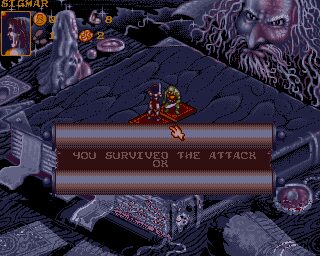


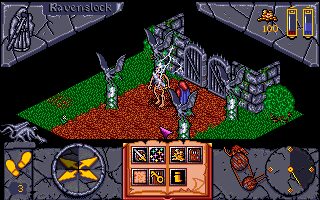




The game offers nine large missions, where players can assemble a team of four from eight different character classes. Before embarking on their quest, players can customize their characters' abilities, tailoring the gameplay to their preferred style. The control system utilizes action icons at the bottom of the screen, allowing players to move, fight, open doors, search for treasure, and easily detect hidden doors and traps.
While the game retains the isometric view of its predecessor, it boasts slightly flashier graphics. The Amiga’s capabilities are put to good use, providing a visual upgrade that enhances the overall atmosphere without losing the original game's charm.
At the time of its release, HeroQuest II received generally positive reviews. Critics noted that while it felt like “the same old Hero Quest with slightly flashier graphics and a different plot,” there was still “a fair degree of enjoyment to be had.” The intuitive UI and well-crafted learning curve were praised, although some felt the game overall felt a bit dated.
Despite some criticisms, HeroQuest II: Legacy of Sorasil has maintained a place in the hearts of retro gaming enthusiasts. It represents a time when gameplay depth and narrative were beginning to take center stage in video games. For those who appreciate the nostalgia of the Amiga era and enjoy a good dungeon crawl, HeroQuest II remains a solid choice.
In conclusion, HeroQuest II: Legacy of Sorasil is a testament to the enduring appeal of the dungeon crawler genre. It may not have been groundbreaking, but it provided a satisfying and engaging experience that many gamers remember fondly. Whether you’re revisiting the game or discovering it for the first time, it’s a worthy addition to any retro gamer’s collection.


 Download for PC
 Download for Mac
  Download for PC/Mac