
Retro games, abandonware, freeware and classic games for PC and Mac


GamesNostalgia Blog: articles, reviews, tutorials, guides, stories about retro games, abandonware, classic games, game designers, interviews and the exciting history of computer games.
 Author : Tasha
18 March 2026, 4:58 pm

Martin Edmondson is one of the most distinctive figures in British game development. Co-founder of Reflections Interactive, he spent the better part of three decades creating games that were technically ahead of their time — from the parallax-scrolling spectacle of [Shadow of the Beast] in 1989 to the open-world car chases of [Driver] a decade later. His career spans the Amiga era, the PlayStation generation, and the early years of open-world gaming, and the studio he built in Newcastle became one of the most respected in Europe.
Read More Author : Manu
15 March 2026, 10:29 am

In 1987, Sid Meier made a pirate game based on children's picture books and Errol Flynn films. It became MicroProse's best-selling game of the year, introduced the design philosophy that would later produce [Sid Meier's Civilization] and [Sid Meier's Railroad Tycoon], and put Meier's name on the box for the first time. Six years later, MPS Labs rebuilt it from the ground up as [Pirates! Gold] — adding VGA graphics, a full orchestral soundtrack, and enough new features to make it feel like a different game. The result is one of the finest remakes in gaming history, and the version most players encountered and remember.
Read More Author : Edward
10 March 2026, 10:09 am
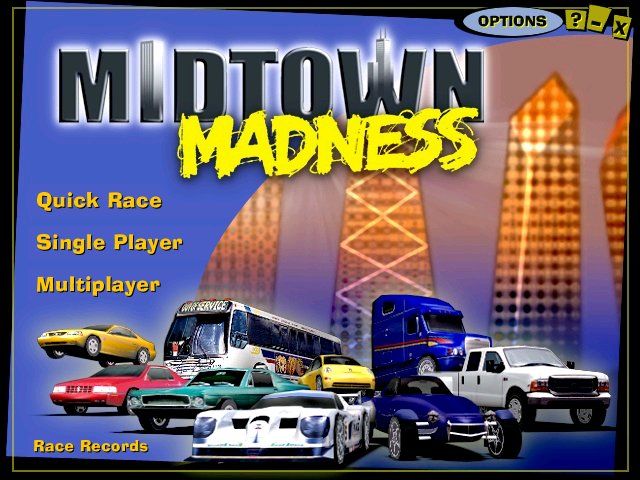
In May 1999, most racing games gave you a track, a car, and a countdown. [Midtown Madness] gave you Chicago. Not a corridor of barriers and grandstands, but an open rendition of a real American city — with traffic obeying signals, pedestrians going about their day, drawbridges rising and falling on their own schedule, and weather that slowly piled snow onto the roads and changed how your car handled. It was a different kind of racing game, and it arrived before anyone had quite worked out how to make one.
Read More Author : Adam
8 March 2026, 9:47 pm
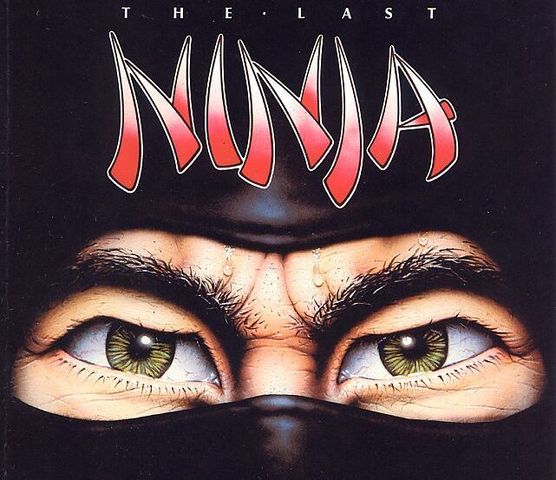
The year is 1987. On the Commodore 64, you load a game from tape. You wait — 25 minutes, in fact. But instead of silence, something extraordinary happens: a haunting, Asian-inspired melody fills the room, flowing from the SID chip with a beauty that stops you in your tracks. By the time The Last Ninja finally loads, you are already completely absorbed. That is the power of this game, and that is why, almost 40 years later, it's still considered one of the greatest titles ever made for the Commodore 64.
Read More Author : emabolo
27 February 2026, 9:56 pm

In August 1981, IBM announced a new personal computer at the Waldorf Astoria Hotel in New York. With 16K of RAM, a single floppy drive, and a starting price of $1,565, it was designed squarely for business users. The operating system — MS-DOS, which Microsoft had acquired from a small Seattle company for $50,000 just two weeks before the announcement — was a tool for accountants, not adventurers. Nobody in that hotel ballroom was thinking about games.
Read MoreAuthor : Manu
20 February 2026, 7:01 pm

Real Time Strategy games represent one of the most influential and enduring genres in computer gaming history. Unlike turn-based strategy games, where players take sequential turns to make moves, RTS games unfold continuously in real time, demanding split-second decision-making, resource management, and tactical coordination. Players typically control armies, manage economies, construct buildings, and engage in warfare while the game clock never stops ticking. This creates an intense experience that combines the cerebral challenge of traditional strategy games with the immediate excitement of action games.
Read More Amiga
Amiga Commodore 64
 MS-DOS
 Windows 9x