




Age of Empires is a historical real-time strategy game created by Ensemble Studios and published by Microsoft on October 15, 1997, for Windows. Later, it was also published for Mac OS on August 22, 1998.
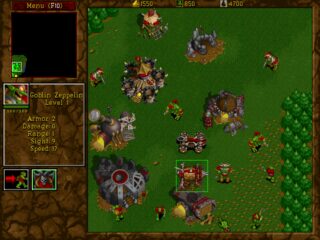
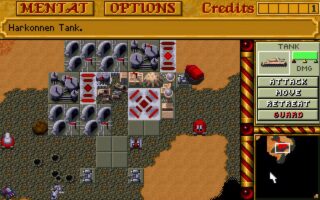
Where most real-time strategy games of the era were set in science fiction or fantasy worlds — like WarCraft: Orcs & Humans or Command & Conquer — Age of Empires chose a historical setting, covering human civilization from the Stone Age through to the Iron Age. This was a deliberate design choice, intended to make the game more accessible and plausible, especially for players who were not traditional RTS fans. The designers drew significant inspiration from Sid Meier's Civilization, the turn-based strategy classic, borrowing its proven historical framework and bringing it into real time. The result was a game that felt genuinely fresh compared to the real-time strategy genre that Dune II had pioneered just a few years earlier, adding historical depth and economic complexity that the genre had not seen before.
The game was designed by Bruce Shelley (co-author of Civilization with Sid Meier), Rick Goodman, and Brian Sullivan. Dave Pottinger was responsible for the artificial intelligence, which was notably sophisticated for an RTS of that period. The music was composed by Stephen Rippy, who researched the instruments and musical styles of each culture represented in the game and recorded original compositions using authentic period instruments and their digital samples — a level of care that gave the soundtrack a unique character.
The game features twelve playable civilizations, including the Greeks, Egyptians, Babylonians, Persians, and Yamato, among others. Each civilization has different strengths and unit types, encouraging different playstyles. Progressing through the four ages — Tool Age, Bronze Age, and Iron Age, starting from the Stone Age — unlocks new buildings, units, and technologies, giving matches a satisfying sense of momentum and growth that sets Age of Empires apart from its competitors.
Resource management is central to the experience. Villagers must gather food, wood, gold, and stone simultaneously, and managing them efficiently across a large map is as important as your military strategy. This economic layer gave the game real depth and rewarded players who could balance expansion with defense.
Age of Empires received strong reviews and became one of the best-selling strategy games of 1997, launching one of the most successful franchises in gaming history. The series continued with Age of Empires II: The Age of Kings in 1999, which many consider the definitive entry. If you are new to the game, our beginner's guide to Age of Empires is a great place to start.
Note: The game you can download here is a shortened version. If you want to play the best version, we suggest purchasing Age of Empires: Definitive Edition on Steam. Check the link on the right.


 Download for PC
 Download for Mac
 Buy this game