
Retro games, abandonware, freeware and classic games for PC and Mac


Author: GN Team - Published: 1 June 2018, 5:57 pm
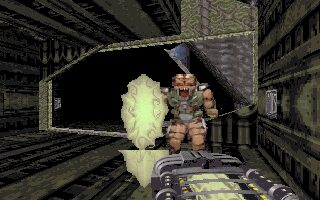
Duke Nukem 3D is a sci-fi first-person shooter created by 3D Realms and published by GT Interactive Software for PC in 1996.
The game is the sequel of Duke Nukem and Duke Nukem II, two shooters/platformers created by Apogee Software. 3D Realms was a new division of Apogee, dedicated to 3D games, and Duke 3D was their second title, after Terminal Velocity.
The game is considered a real classic and one of the games that made the 3D first-person shooter genre so famous. Probably the only example more famous than Duke Nukem 3D is Doom, which was created three years earlier. Duke Nukem 3D used the Build engine — a direct competitor to the Doom engine id Software had created.
Read More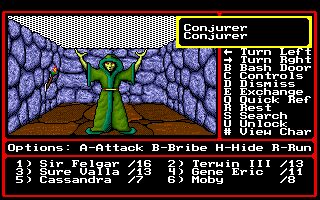
Author: Tasha - Published: 1 June 2018, 12:24 am
Might and Magic II: Gates to Another World is the sequel to the original Might and Magic published by New World Computing in 1988. It was released for the Apple II and MS-DOS.
Due to its popularity, the game was ported to several other platforms in the following years, including Commodore 64, Macintosh, MSX, and Amiga, in 1990. There is also a SNES version released in 1993.
The Might and Magic series, created and designed by Jon and Michaela Van Caneghem, is one of the best-selling RPG series, selling more than 1 million copies by 1994.
Read More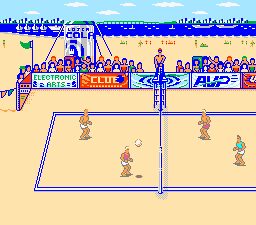
Author: GN Team - Published: 29 May 2018, 1:43 am
Kings of the Beach is a beach volleyball game created by Electronic Arts, initially released for MS-DOS in 1988 and later ported to the Commodore 64. Finally, it was released for the NES in 1990.
The designer, Michael Abbot, worked on other successful sports games, such as One-on-One and Ski or Die. For Kings of the Beach, he collaborated with Nana Wallace and two famous players: Sinjin Smith and Randy Stoklos. If you choose a tournament, you must compete in five beaches: San Diego, Chicago, Waikiki, Rio de Janeiro, and Australia.
Read More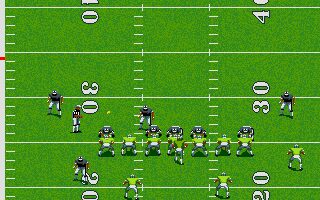
Author: GN Team - Published: 26 May 2018, 8:03 pm
TV Sports: Football is the first game of the TV Sports series created by Cinemaware initially for the Amiga. It was published in 1988, while the C64 and DOS versions followed later.
When the game was released, it was a real revolution. It was the first sports game where the matches were presented like tv shows. There are cutscenes, commentaries, half-time presentations, cheerleaders, and introductions of the events by the TV hosts. Cinemaware was able to re-create an amazingly immersive experience for the players, which was replicated with TV Sports: Basketball and TV Sports: Boxing.
Read More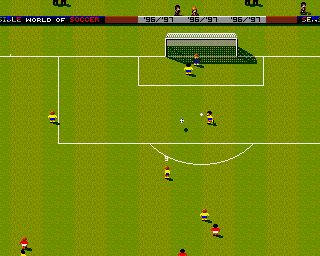
Author: GN Team - Published: 25 May 2018, 6:25 pm
Sensible World of Soccer '96/'97 is the fourth and final release of the popular soccer game created by Sensible Software.
Released in 1996 for PC and Amiga, it's mostly an updated version of Sensible World of Soccer: European Championship Edition and Sensible World of Soccer 95/96. Only the team data and rosters, plus the game cover, are different. The real improvements of the game were in fact introduced with SWOS 95-96, including headers (standing) and low passes with curling effects.
The same engine is used for the fan-made 2016 edition of the game, that we published some time ago. But if you want to play with Alex Del Piero, Alan Shearer, Roberto Baggio, George Weah or Ronaldo, you are going to need this version.
Read More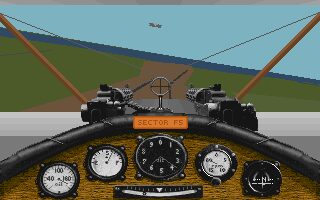
Author: GN Team - Published: 22 May 2018, 5:15 pm
Red Baron was created by Damon Slye at Dynamix and published by Sierra Entertainment in 1990 for MS-DOS 5.0. Two years later it was ported to Amiga.
Red Baron is a flight simulator game set in World War I, on the western front. It offers three game modes: dogfight, single mission or career mode, I suggest the latest. In career mode, you can choose to fly as a pilot for the German or the British. There are 17 different aircraft from both sides to choose from, including the Fokker E.I Eindecker, the Fokker Dr.I Triplane, the Sopwith Camel, Albatros D.II and a lot more. You start as a wingman, and then you can advance through the ranks, taking command of a small group of planes of variable size and types.
Read More Amiga
Amiga Commodore 64
 MS-DOS
 Windows 9x