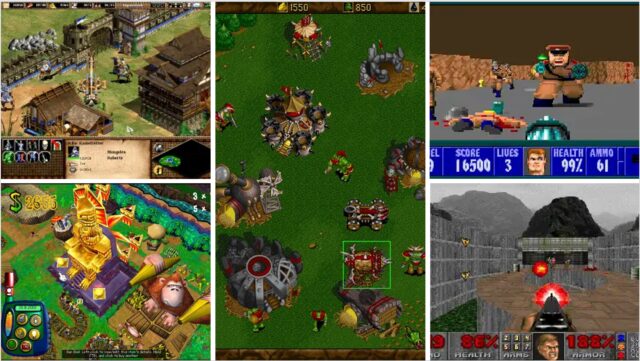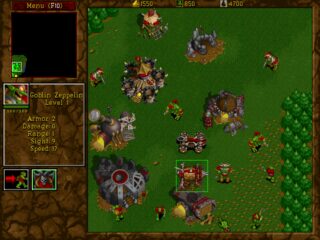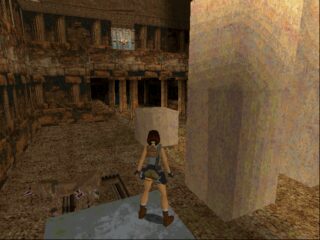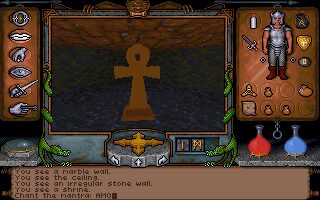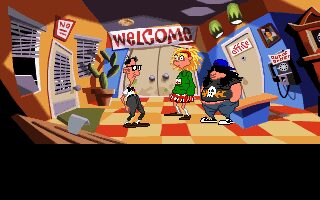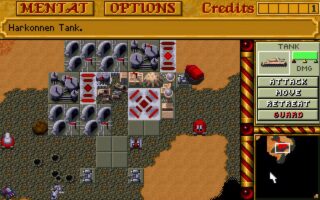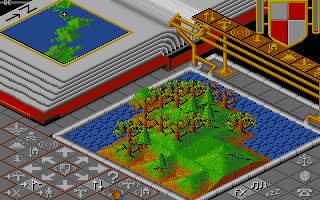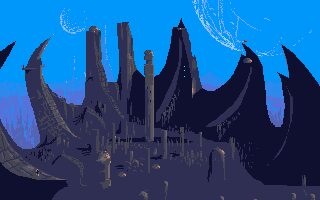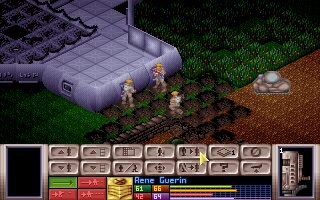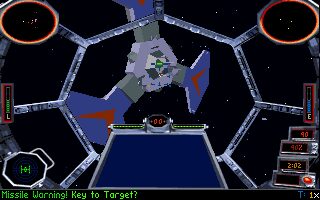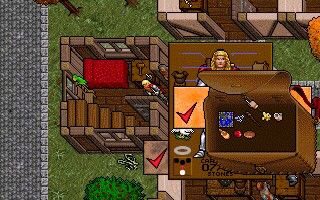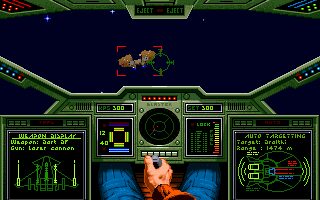


Before Windows, before the internet, before smartphones — there was MS-DOS. From the early 1980s to the mid-1990s, Microsoft's Disk Operating System was the platform on which some of the greatest games ever made were built. If you grew up with a PC in that era, MS-DOS games are probably where your love of gaming started.

It wasn't always obvious that it would turn out this way. When IBM launched the PC in 1981 and Bill Gates licensed MS-DOS — acquired for just $50,000 from a small Seattle company — nobody was thinking about games. The machine was expensive, austere, and designed for spreadsheets. The Apple II, the Atari 8-bit, and soon the Commodore 64 were where the fun was. But a handful of visionary developers were about to change that.
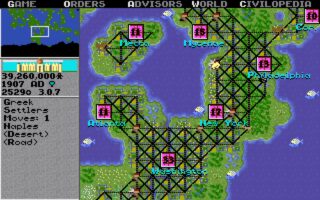
Roberta Williams at Sierra On-Line made King's Quest I: Quest for the Crown in 1984 with IBM's own funding, proving the PC could deliver rich, animated adventure gaming. MicroProse and Sid Meier followed, targeting the platform's keyboard and processing power for deep strategy that rewarded patience — Sid Meier's Railroad Tycoon (1990) and Sid Meier's Civilization (1991) arrived just as a new, more demanding audience was moving to MS-DOS machines, hungry for something worthy of the hardware.
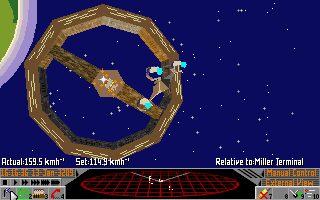
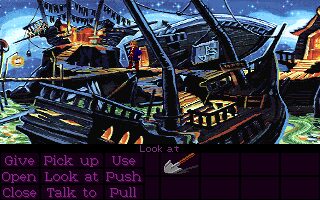
Then, in 1989, something changed visually. The VGA graphics card arrived, capable of displaying 256 colours simultaneously — more than any home computer in the world, including the Amiga. By 1990, the first wave of VGA games showed what this meant in practice. Chris Roberts delivered space combat that looked genuinely cinematic with Wing Commander. Sierra released King's Quest V: Absence Makes the Heart Go Yonder!, the most visually beautiful adventure game ever made. Ron Gilbert and LucasArts released VGA editions of Indiana Jones And The Last Crusade. For the first time, PC games looked better than Amiga games. Players noticed immediately.
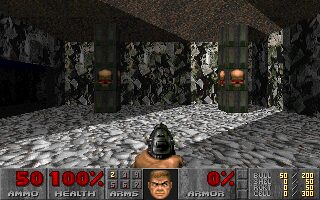
Then id Software arrived and settled the argument for good. Wolfenstein 3D (1992) and Doom (1993) didn't just succeed on the PC — they defined what PC gaming meant. The shareware model spread Doom through offices, universities, and homes faster than any retail game before it. After Doom, nobody questioned whether the IBM PC was a gaming platform. The golden age that followed was extraordinary, as you can see from the list of games listed on the right.
The Price You Paid
All of this came at a cost. While the Amiga and the SNES just worked, the PC demanded you earn it. Before you could play, you often had to navigate config.sys and autoexec.bat — the startup files that controlled how DOS loaded memory. The 640K conventional memory barrier was the enemy of every PC gamer. Getting your Sound Blaster address right with weird codes (SET BLASTER=A220 I7 D1 H5 P330 T6) was a rite of passage. If you got it right, the game ran beautifully. Today, DOSBox handles all of this automatically — see our setup guide below.
Over 460 classic MS-DOS games are available on GamesNostalgia, all free to download and play on modern Windows and Mac. The Top 15 list alongside is our selection of the best — but it barely scratches the surface.