

In August 1995, Microsoft launched Windows 95 with a marketing campaign unlike anything the software industry had seen before — television spots, a Rolling Stones soundtrack, lines outside shops at midnight. But among PC gamers, the reception was considerably more cautious. Windows 3.x had never been a gaming platform. Why would Windows 95 be any different?

For the first year or two, it wasn't. Gamers continued launching their favourite titles from DOS, treating Windows 95 as little more than a nicer file manager. The hardware was there, but the software bridge between the operating system and the game didn't exist yet.
DirectX Changes Everything
The turning point came from an unlikely direction. Microsoft wanted developers to write games for Windows. To make that possible, they needed a low-level API that gave games direct access to the hardware — sound, graphics, input — without the overhead that had made Windows useless for gaming. The result was DirectX, first released in 1995.
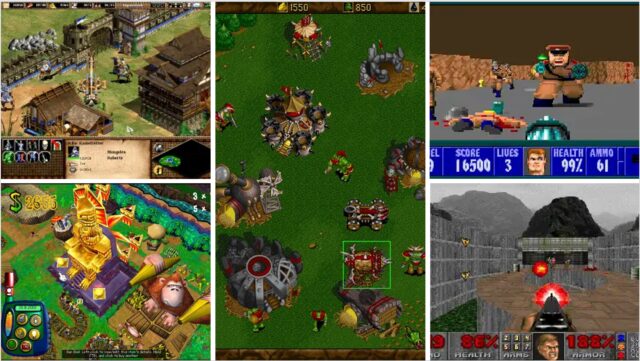
To demonstrate what DirectX could do, Microsoft approached id Software with an offer: they would port Doom and Doom II to Windows using the new API, with id retaining full rights to the result. Doom95, released in 1996, became one of the most effective technology demonstrations in gaming history. It ran faster than the DOS original on the same hardware, supported higher resolutions, and worked without a single line of manual configuration. Millions of people who already owned Doom installed it, played it, and understood for the first time that Windows gaming was real.
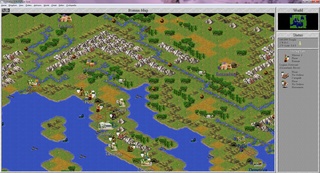
Other publishers moved quickly. Origin released Wing Commander: The Kilrathi Saga in 1996 — a Windows-native collection of the entire Wing Commander trilogy that served as both a commercial release and a proof of concept for the platform. Microsoft itself contributed Microsoft Flight Simulator for Windows 95, one of the most technically demanding programs ever written for a consumer operating system. Sid Meier's Civilization II arrived the same year: a landmark strategy game that sold over a million copies and introduced an entire generation to turn-based empire building. Need for Speed II: Special Edition pushed graphics hardware to its limits. Hexen II demonstrated that the Quake engine could still deliver spectacular results under DirectX.
The Golden Age
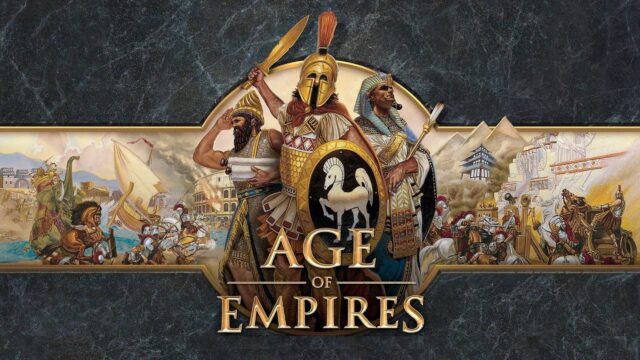
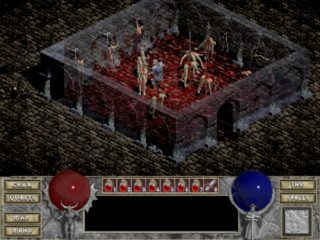
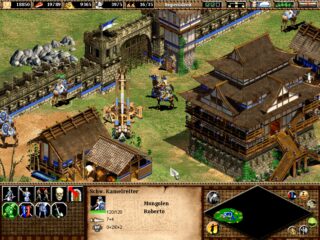
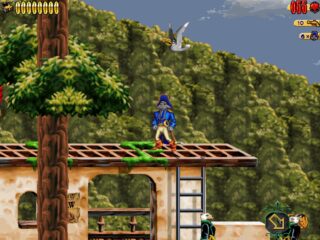
By 1997 and 1998, Windows 95 — and soon Windows 98 — had become the unquestioned home of PC gaming. Age of Empires (1997), built on DirectX 5.0, redefined real-time strategy with its blend of historical authenticity and accessible gameplay. Diablo brought gothic atmosphere and compulsive loot-hunting to an audience that had never played an action RPG. Claw proved that Windows could deliver the kind of tight platformer action that had once been the exclusive territory of consoles. Fallout reimagined the post-apocalyptic RPG with a freedom of choice that no game had offered before.
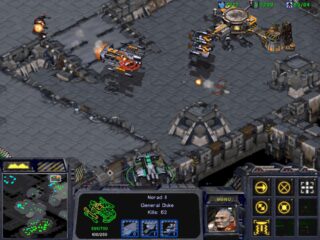
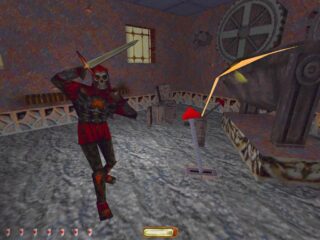
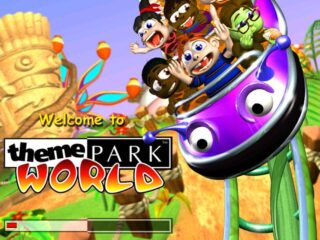
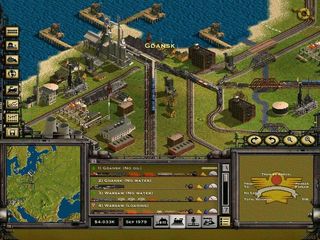
Then came 1998 — one of the greatest years in PC gaming history. Starcraft arrived in March and within months had become a cultural phenomenon in South Korea and a competitive sport worldwide. Total Annihilation, released the previous year but still defining the conversation, had already reimagined the RTS from the opposite direction: hundreds of simultaneous units, realistic physics for projectiles and explosions, and an orchestral soundtrack that nobody expected from a strategy game. Two completely different visions of what real-time strategy could be — and the PC was the only place you could find both. Commandos: Behind Enemy Lines introduced tactical stealth on a scale nobody had attempted before. Quake II showed what hardware acceleration could do when a great developer pushed it. Thief: The Dark Project invented the stealth genre almost by accident, building tension from sound and shadow rather than action. Half-Life redefined the first-person shooter as a narrative experience. Baldur's Gate brought Dungeons & Dragons to life with a depth and ambition that the tabletop original would have envied. The Settlers III, Caesar III, Sim Theme Park — even the city-builder genre was producing masterpieces.
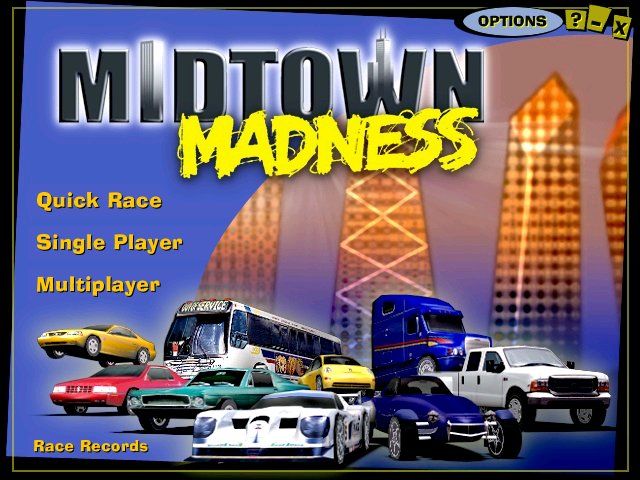
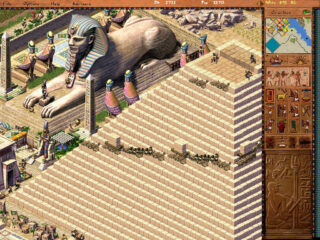
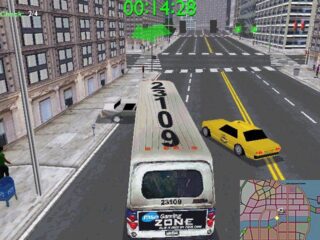
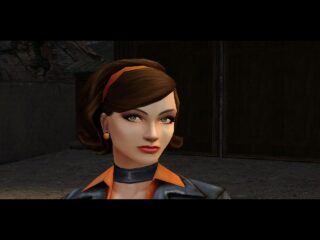
The years that followed only deepened the catalogue. Pharaoh brought the city-builder formula to ancient Egypt with extraordinary elegance. Homeworld (1999) translated the scale of space opera into a real-time strategy game of breathtaking visual beauty. Midtown Madness opened up Chicago as a sandbox racing environment years before open-world games were a recognised genre. As the decade closed, Deus Ex and No One Lives Forever demonstrated that Windows gaming had produced titles as ambitious and artistically serious as anything any medium had to offer.
A Creative Explosion
What happened at the end of the 1990s was a creative explosion with few precedents in the history of the medium — but not without them. Something similar had occurred in the mid-1980s, when developers had finally learned to exploit the full capabilities of the hardware available to them: the Commodore 64 in particular, producing titles like Pirates! and Last Ninja that extracted things from that machine nobody thought possible. Then again at the turn of the decade, when developers had mastered the Amiga and the IBM PC and the results — Lemmings, Monkey Island, Populous — were unlike anything that had come before.
The difference at the end of the 1990s was one of scale. The CPU power, memory, screen resolution, hard disk space, and audio capabilities available to developers in 1998 gave them room to build worlds of genuine complexity and ambition. The masterpieces created in that window — a specific and unrepeatable moment when the tools had matured but the creative conventions hadn't yet calcified — are unlikely to be surpassed for what they meant to the people who played them.